
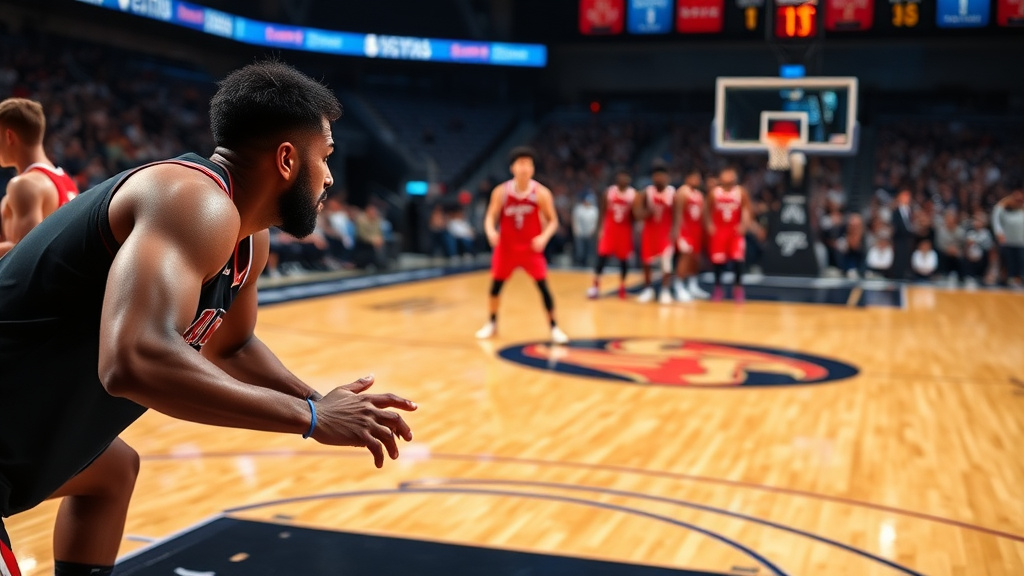
In an era where basketball analytics have reshaped offensive strategies, one NBA team is now redefining defensive excellence through cutting-edge data science and innovative player positioning. By employing advanced statistical tools and live algorithmic positioning, this franchise has unlocked the secret to suffocating opponents and disrupting traditional offensive flow. Discover how this revolutionary approach is questioning conventional defensive wisdom, elevating team performance to unprecedented levels, and potentially transforming how NBA teams structure their defensive systems for years ahead.
The Growth of Defensive Analytics in Professional Basketball
For decades, basketball defense depended primarily on time-tested coaching approaches, player instinct, and physical attributes. Coaches focused on one-on-one defensive concepts, defensive zones, and personal defensive responsibilities grounded in experience and observation. However, the landscape shifted dramatically as technological innovation accelerated and data grew more readily available. Teams began recognizing that defensive performance could be quantified, evaluated, and improved via complex statistical measures. This fundamental change unlocked potential for comprehending the way players interact defensively, where vulnerabilities exist, and how strategic repositioning could produce tangible gains in team performance.
The incorporation of advanced analytics into defensive planning represents a major change in how NBA teams address the game’s defensive aspects. Contemporary defensive analysis now include player tracking data, location-based shot analysis, spacing metrics, and predictive modeling that uncover areas of defensive weakness before opponents exploit them. Teams hire analytical professionals to process millions of data elements, uncovering patterns invisible to the human eye. This technological revolution has made defensive excellence accessible, allowing organizations to perform competitively independent of talent level alone. The result is a increasingly complex, analytics-based approach to defensive play that optimizes both efficiency and effectiveness.
Early adoption of analytics-driven defense uncovered unexpected findings about traditional defensive strategies. Teams found that specific player pairings performed more effectively than traditional thinking suggested, while other long-standing formations showed statistical inefficiency. Sophisticated measurements like defensive efficiency, proximity to opposing players, and pressure frequency offered quantifiable assessments of defensive impact. These findings challenged coaches to reassess traditional methods and adopt data-driven approaches. The shift wasn’t instantaneous, as some resistance to analytics remained within conventional coaching communities, but the compelling evidence eventually won over doubters of the method’s effectiveness.
Today’s defensive analytics go past individual performance metrics to include team-wide strategic optimization. Real-time data feeds give coaching staff instant insights on defensive effectiveness, allowing modifications during games rather than relying on post-game analysis. Machine learning algorithms predict opponent tendencies and suggest ideal defensive setups against particular offensive strategies. This evolution has created a competitive advantage for progressive organizations willing to invest in analytical infrastructure. The teams embracing this technology are discovering that defense, historically regarded as artistic, can be enhanced methodically through rigorous data analysis and strategic implementation of findings extracted from comprehensive statistical evaluation.
High-Precision Location Technologies and Real-Time Data Integration
The team’s defensive transformation begins with advanced positioning frameworks that synthesize real-time data from multiple sources. These intelligent systems process athlete positioning, ball trajectory, and opponent tendencies simultaneously, delivering immediate guidance to coaching staff and players during games. By merging wearable technology with court-based sensors, the franchise collects precise information that standard approaches misses, enabling exceptional detail in coverage adjustments and player rotations that optimize defensive coverage.
Artificial Intelligence Systems for Defensive Coverage
Artificial intelligence models form the backbone of this cutting-edge defensive framework, examining thousands of game scenarios to forecast opponent movements with exceptional accuracy. These algorithms identify patterns in shooting tendencies, penetration routes, and pick-and-roll executions, allowing the team to place defenders in advance rather than reactively. By training on past performance data combined with live performance statistics, the models continuously evolve, adapting to new offensive strategies and opponent adjustments across the season with greater accuracy.
The integration of advanced analytics has fundamentally altered defensive preparation and on-court decision-making. Coaches now gain access to AI-generated insights identifying probable scoring opportunities, facilitating tactical repositioning prior to play execution. This data-driven approach minimizes defensive breakdowns, strengthens secondary positioning, and refines positional assignments utilizing matchup analytics, creating a unified defensive structure where every position functions with improved recognition and anticipatory positioning.
Player Tracking Technology and Performance Metrics
Advanced player tracking technology records every movement with sub-inch accuracy, producing comprehensive performance metrics that reveal defensive efficiency outside of traditional statistics. The system measures positioning effectiveness, defensive pressure intensity, and coverage gap identification instantaneously, providing objective data on individual and team defensive contributions. These fine-grained data empower coaches to identify strengths and weaknesses, improve lineup decisions, and highlight underutilized defensive assets that traditional analysis typically misses.
Performance dashboards compiled from tracking data empower players with instant feedback on their execution on defense, positioning accuracy, and coverage responsibilities. Athletes can review personalized analytics highlighting areas for improvement, effective defensive approaches, and best positioning spots relative to opponent tendencies. This transparency fosters accountability and engagement, converting defensive development into a analytics-based system where players clearly grasp how their positioning impacts team success and opponent efficiency.
Implementation Results and Market Strengths
Since deploying their advanced analytics-driven defensive system, the team has seen significant improvements across critical performance metrics. Opponent field goal percentage has dropped by 3.2%, while three-point defense has become more effective with a 2.8% decline in opponent accuracy from beyond the arc. These performance improvements have produced wins, with the team climbing from a mid-tier defensive ranking to frequently ranking in the top five across the league. The analytics-based strategy has shown that defensive positioning and forecasting models produce tangible strategic benefits that competitors have trouble overcoming.
Player transition has been smooth, with athletes accepting the positioning algorithms as performance-enhancing tools rather than restrictive constraints. Instant feedback mechanisms have accelerated learning curves, allowing defenders to comprehend best positioning in real time during competition and training. Veterans have highlighted the system’s capability to optimize individual strengths while reducing defensive weaknesses. Developing players particularly benefit from the detailed analytics, experiencing rapid improvement through evidence-based coaching. This working connection between player instinct and machine learning systems has fostered a defensive mindset where every player understands their role within the game plan.
Looking ahead, this team’s revolutionary defensive model has attracted across-the-league attention, with numerous franchises examining similar implementations. The competitive edge, however, remains significant for early adopters who have refined their systems through multiple seasons of practical application. As other teams seek to replicate, this organization continues innovating, incorporating machine learning improvements and expanding analytical capabilities. Their success illustrates that the future of basketball defense depends on balancing advanced technology with skilled personnel, creating a defensive framework that fundamentally challenges how the game is played defensively across professional basketball.
